AI may be the defining force of our time. While much of the conversation focuses on disruption and job displacement, there is another perspective worth embracing – possibilities.
What if Artificial Intelligence could strengthen, rather than replace, human capability? What if it could accelerate disease detection, improve maternal health, expand equitable education, protect livelihoods, and support the world’s development journey – with India playing a catalytic role?
Long before learning gaps appear in classrooms, the conditions shaping them are already at play. Across many low- and middle-income settings, maternal health risks, undernutrition, untreated impairments, and income instability quietly influence how children grow and learn. What looks like an education challenge is often a systems challenge.
In this edition of People, Planet & Purpose, we explore how AI is emerging as connective infrastructure – linking health, early childhood development, agriculture, and public services. The real opportunity lies in using adaptive systems to reduce risk earlier and strengthen human capital before gaps widen.
AI For: Early Childcare Development
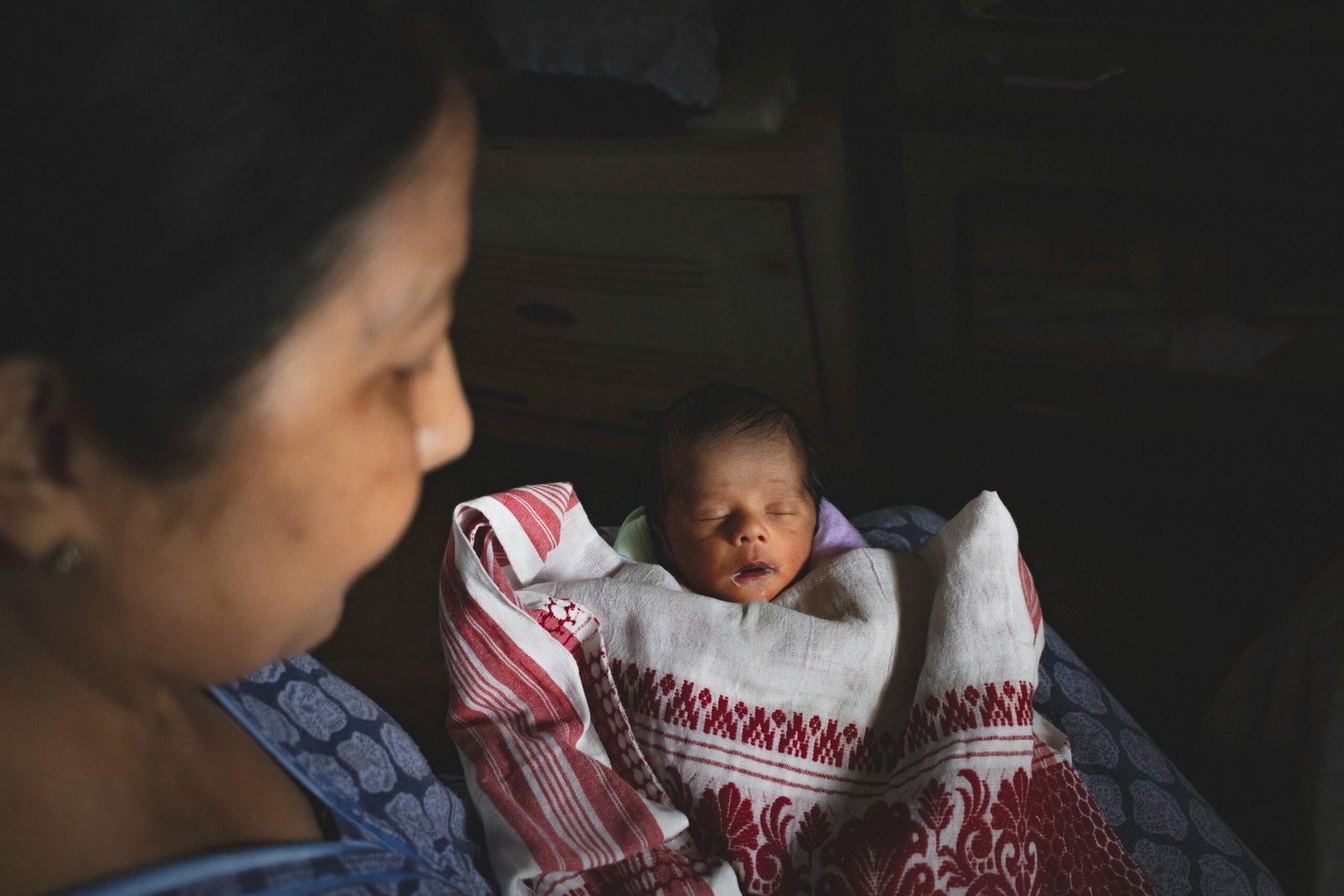
Before a child ever enters a classroom, critical developmental processes are already underway. Yet in many low-resource settings, accurate gestational age assessment and early risk detection remain limited.
AI-assisted ultrasound tools now demonstrate near-specialist accuracy even when used by minimally trained providers, improving identification of preterm risk, a key determinant of later cognitive outcomes (UNC Global Health; Gates Foundation).
Beyond technical accuracy, the systemic shift is significant. AI-enabled diagnostics help health systems:
- Reduce specialist dependency in underserved regions
- Expand diagnostic reach in rural facilities
- Enable earlier triage and referral decisions
- Standardise maternal risk assessment
Emerging research highlights how AI turns early risk detection into a scalable public health function rather than a specialist bottleneck (Medical Xpress, 2026; Frontiers in Global Women’s Health, 2025).
AI For: Gender & Maternal Health
If global research shows promise, India demonstrates what scale can look like.
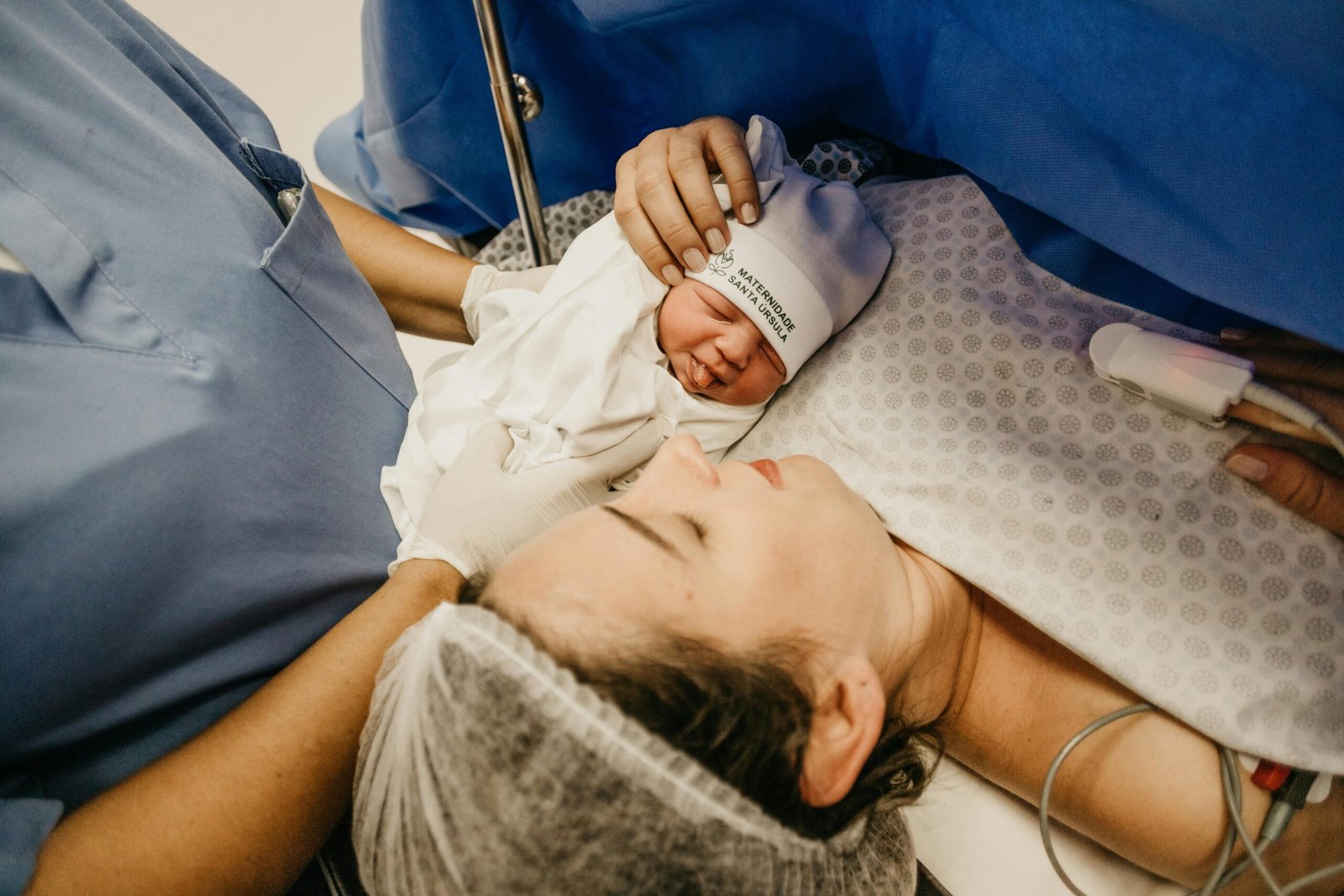
Through ARMMAN’s mMitra and the nationally implemented Kilkari platform, millions of women receive stage-specific voice messages on maternal health, nutrition, vaccination, and newborn care, delivered through basic mobile phones. (ARMMAN)
The true innovation, however, lies beneath the surface. AI models help identify mothers most at risk of disengagement, enabling targeted follow-ups and smarter allocation of frontline health worker time. Outreach becomes adaptive rather than uniform.
This approach strengthens public systems by:
- Prioritising high-risk beneficiaries rather than relying on uniform outreach
- Improving adherence to iron and calcium supplementation
- Increasing maternal knowledge of danger signs and infant care
- Enhancing newborn care practices through timely nudges
The model reflects a broader national push to move AI from pilot to public infrastructure. Platforms like the IndiaAI Impact Portal curate use cases, deployment evidence, and cross-sector applications — from health and education to agriculture and social services — helping stakeholders identify where AI is delivering measurable public value and where implementation gaps remain (IndiaAI Impact Portal).
India’s emerging AI ecosystem signals something larger: not isolated pilots, but the integration of intelligence into population-scale service delivery — where technology quietly strengthens systems that support women and children at the very start of life.
AI for: Education and Children
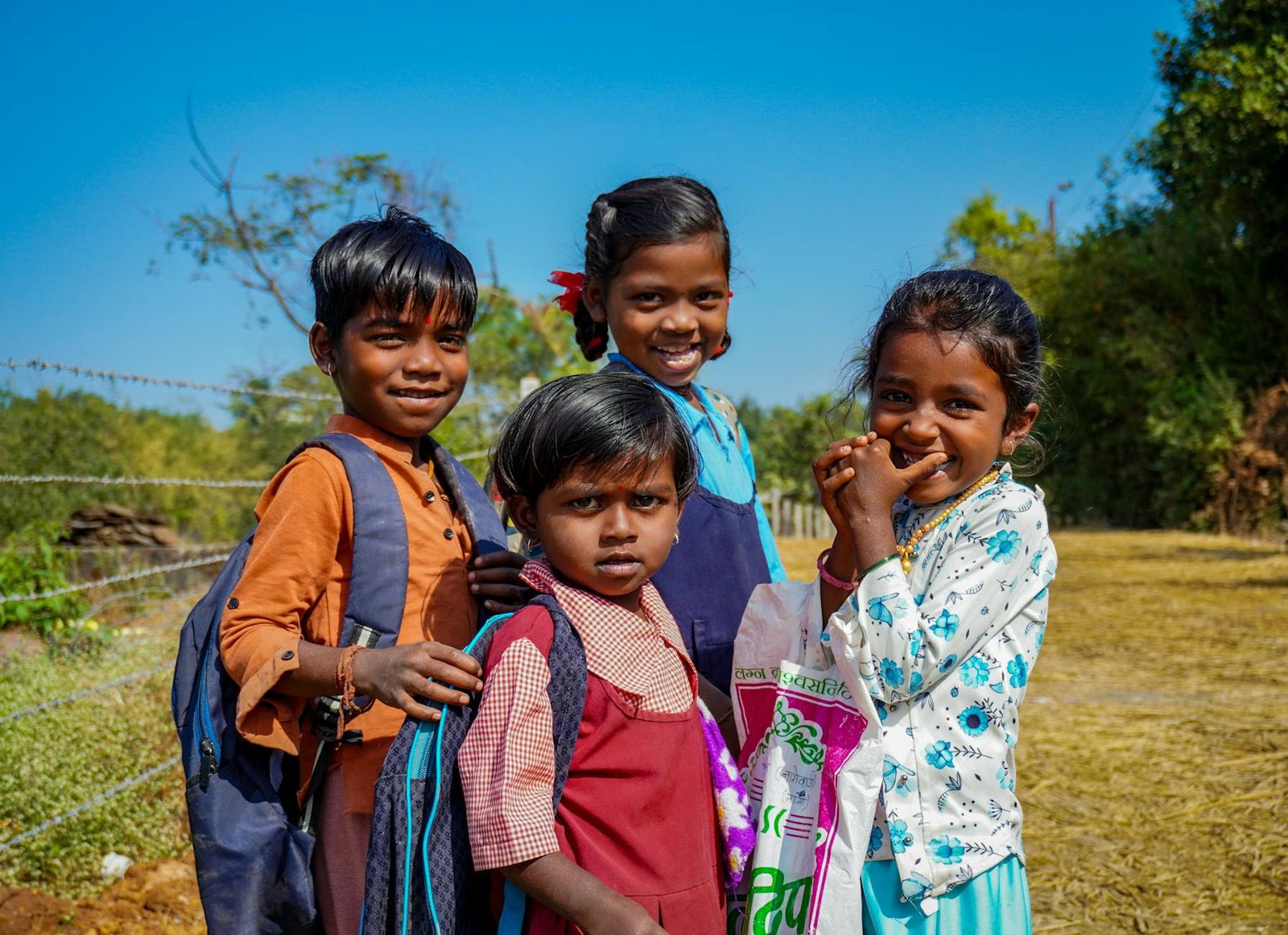
Health barriers do not disappear at the school gate.
Untreated vision impairment, anaemia, and hearing loss quietly suppress classroom performance. Evidence from randomised trials in low-income settings shows that simply providing eyeglasses can significantly improve academic outcomes, equivalent to several additional months of learning.
Emerging AI-enabled screening tools now use low-cost image analysis to detect anaemia and other risks, helping automate triage and connect children to timely care. The goal is not automation for its own sake, but earlier identification, directing limited resources where they can most improve learning.
At the same time, foundational development begins in the first 1,000 days of life, shaped by nutrition and stimulation. AI is increasingly used to personalise caregiver guidance, optimise messaging, and predict disengagement in early childhood programmes.
Together, these systems point toward a more integrated future, where health, nutrition, and learning reinforce one another, strengthening human capital from the very start.
AI for: Agriculture
Reducing Risk, Strengthening Resilience
For millions of smallholder farmers, climate volatility, pest outbreaks, and price uncertainty directly shape household income and food security.
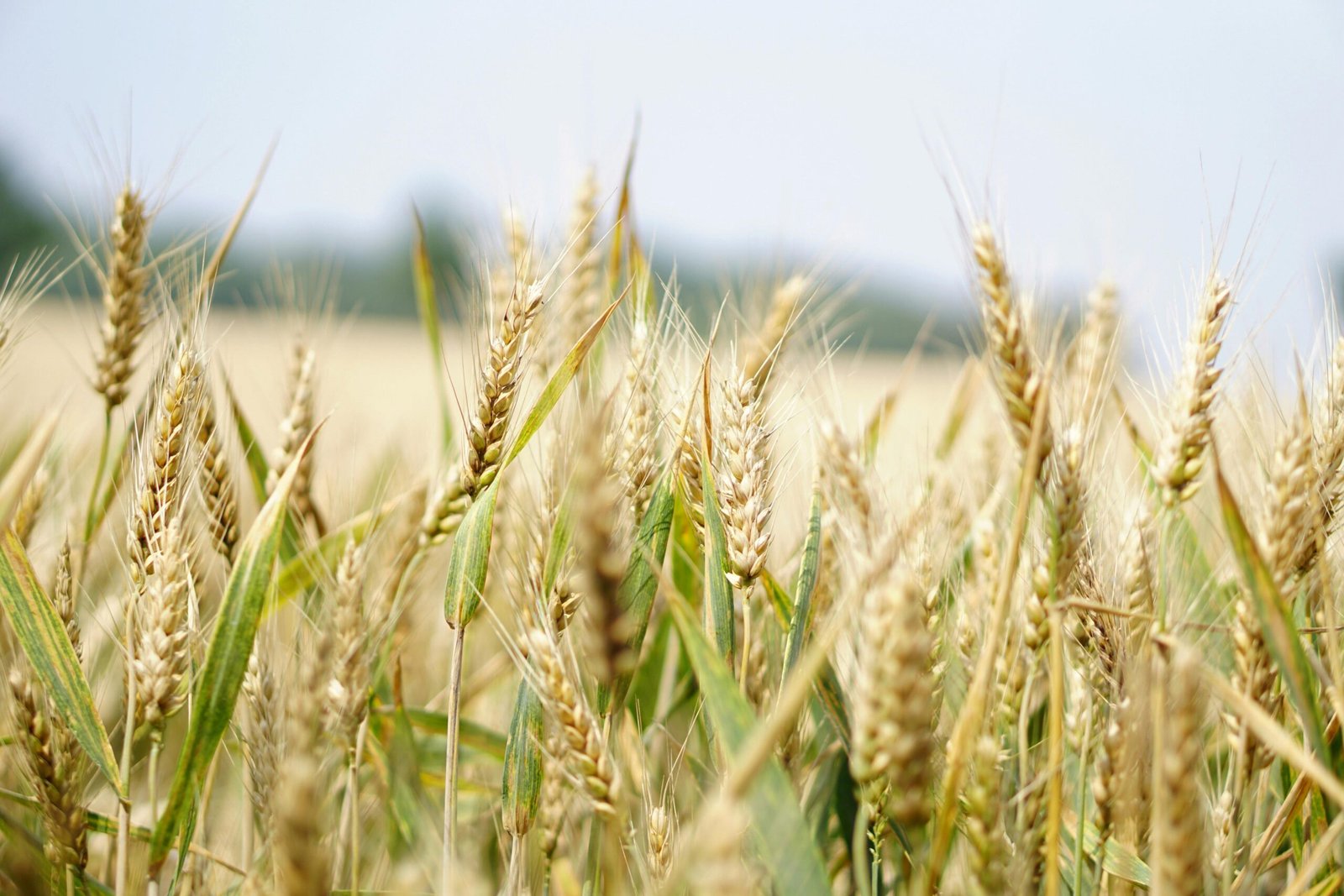
AI is emerging not as a replacement for farmers, but as a decision-support layer ,helping reduce uncertainty in an increasingly unpredictable environment.
Key applications include:
- Early crop and pest detection through image analysis
- Climate and yield forecasting to guide sowing and harvest decisions
- Precision input recommendations to optimise fertiliser and water use
- Market intelligence tools to improve price transparency
In India, AI use cases across agriculture and other high-impact sectors are being documented and scaled through national platforms such as the IndiaAI Impact Portal (impact.indiaai.gov.in), signalling an intent to move from pilots to scalable deployment.
The larger shift is strategic: AI in agriculture is not only about productivity gains, but about stabilising livelihoods, strengthening food systems, and reinforcing the economic foundation that underpins health, education, and long-term resilience.
Hottest Grants this Week
AndPurpose Grants
The Glenmark Nutrition Awards 2026 invite NGOs implementing innovative and scalable nutrition solutions aligned with national priorities. Focus areas include early childhood nutrition, maternal and child health, community-led behaviour change, vulnerability reduction, and sustainable nutrition models. Winners under Urban and Rural categories will receive up to ₹5 lakh and mentorship support.
Deadline: 25 February, 2026
The Micro Charity Grant by Good Work Hub supports grassroots, small-scale charitable organisations that address critical community needs. Designed to strengthen micro-charities facing funding and visibility challenges, the grant offers flexible financial support to expand existing programs, develop new initiatives, or cover essential operational costs. Open to charitable organisations worldwide, the initiative aims to empower diverse nonprofits to sustain and grow their impact across sectors and geographies.
Deadline: 28 February, 2026

Events
India AI Impact Summit 2026 (Ongoing)
More than a convening, the Summit signals a shift from AI rhetoric to deployment. With 100+ countries participating, it centres on Global South leadership, digital public infrastructure, and scalable models. Focused thematic tracks spotlight health, education, agriculture, and climate, alongside initiatives like the AI for ALL Global Impact Challenge.
Mumbai Climate Week (Ongoing)
Catalysing cross-sector action & bringing together founders, investors, policymakers, and communities, it spotlights scalable climate solutions across energy, mobility, resilience, and finance. The focus: moving from climate ambition to implementation through collaboration, innovation, and measurable outcomes for cities and the Global South.
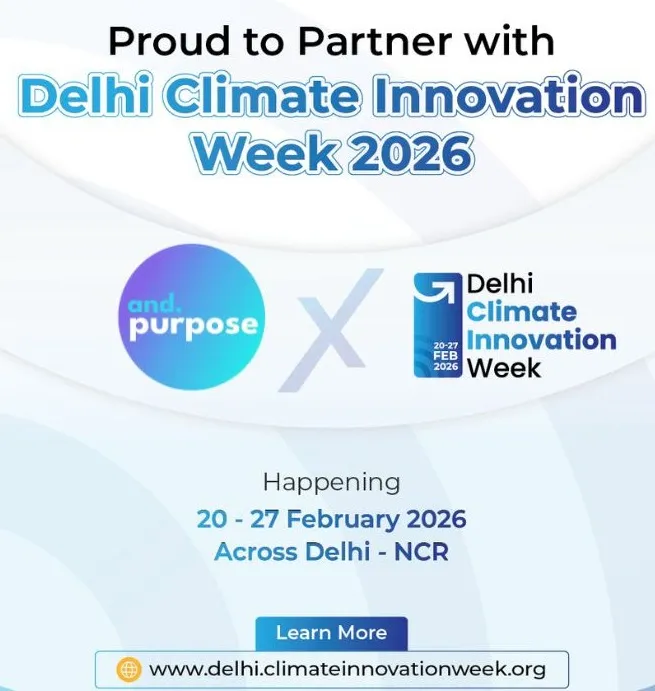
Delhi Climate Innovation Week (20–27 February 2026)
Taking place across the Delhi–NCR region, the event will bring together founders, investors, policymakers, researchers, and community leaders working to accelerate climate technology and innovation. In partnership with AndPurpose — serving as a strategic ecosystem collaborator — the week will feature 200+ partner-led sessions and is designed as a city-wide, outcome-oriented platform to drive climate solutions and cross-sector collaboration, with a strong focus on the Global South (AndPurpose)
Closing Notes
If we view AI narrowly — as apps, chatbots, or automation — we miss the deeper story.
The most powerful AI applications for impact may not look like “AI” at all. They are:
- Better diagnostics embedded in routine care
- Predictive alerts that trigger human action
- Adaptive outreach that prioritises scarce resources
- Integrated insights that connect health and learning
Across settings, AI is quietly shaping public programs to be faster, fairer, and more responsive. In India, voice-first, inclusion-oriented models are operating at population scale. Globally, diagnostic and screening systems are expanding capacity where human expertise is limited.
The deeper shift is this: AI is moving from novelty to infrastructure, from isolated pilots to systems that strengthen human capital outcomes.
The opportunity exists. The question now is whether we choose to scale what already works, responsibly, equitably, and with impact at the center.
With Love & Purpose
Team AndPurpose